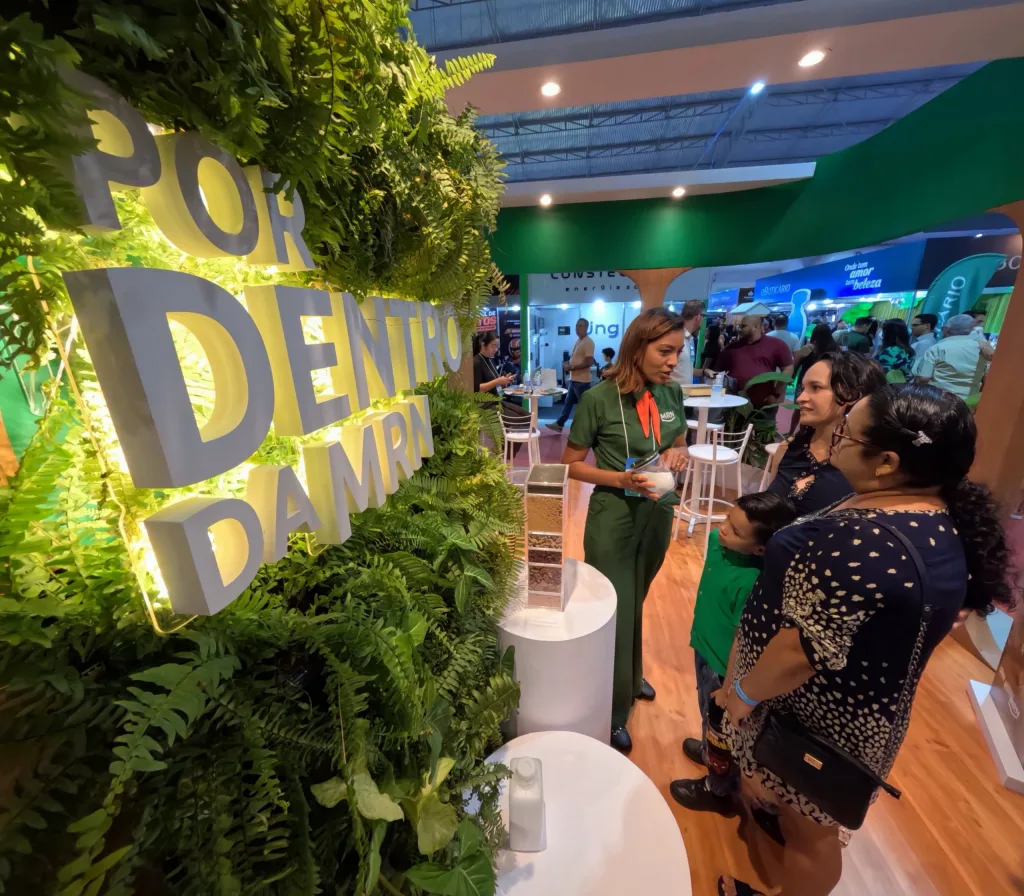
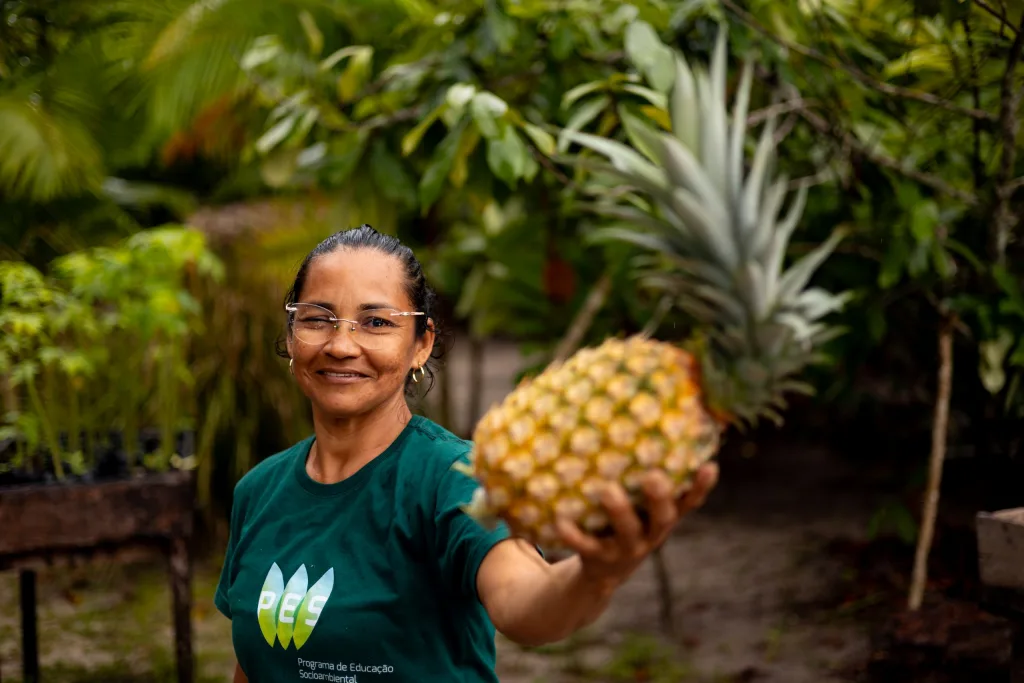
The Transmission Line Project (PLT), a structural undertaking of Mineração Rio do Norte (MRN), is entering a new phase in western Pará. The project, which will bring power from the National Interconnected System (SIN) to the company's operations in Porto Trombetas, in the municipality of Oriximiná, is also moving forward with initiatives in the communities where it is present. After a process of listening and participatory assessment in 19 communities, the social and environmental projects that are part of the Environmental Education Program (PEA), built on the priorities identified by the residents themselves, are beginning to take shape.
The Program is part of MRN's social and environmental license conditions and is carried out by a specialized company. The actions were defined in a participatory way, together with the communities and the Association of Communities of the Trombetas and Sapucuá Land Areas (ACOMTAGS), to meet the demands and needs identified by the parties involved.
The work began in 2025, when MRN held a series of meetings to present the PLT, answer questions and establish channels of dialogue with the communities. In September, workshops for the Participatory Social and Environmental Assessments (DSAPs) began, held to identify the demands and potential of each territory and to support the design of the initiatives. In March 2026, the company returned to the communities to present the assessments and discuss next steps.
“From the start, we sought to listen to people and understand the particularities of each place. The Social and Environmental Assessments, with the direct participation of the communities, allowed us to identify priority demands, and now we are entering a crucial stage: turning these contributions into actions and projects and then implementing them so that they bring concrete benefits to the communities and the environment,” says Diana Rocha, MRN Community Relations analyst.
The proposal is to implement projects focused on training, social mobilization and strengthening local capacities, expanding the communities' informed participation in social and environmental issues related to the PLT. The initiatives were planned and are being developed based on the socio-biodiversity of each location, valuing active participation, dialogue and the exchange between traditional and technical knowledge.
According to Genilda Cunha, analyst and Coordinator of Socioeconomic License Conditions, the projects developed under the social and environmental license conditions focus on promoting the sustainable development of communities located in the area of influence of the PLT/MRN projects. The initiatives contribute to improving quality of life by strengthening community organization, generating income, valuing traditional knowledge and local culture, and supporting family farming, food security, safe navigation and technical training, boosting entrepreneurship and the socioeconomic development of the communities served.
According to Elessandra Corrêa, MRN's Community Relations manager, one of the key aspects of the project implementation stage is the communities' leading role in building the initiatives. “What sets this process apart is the active participation of residents, which goes beyond the assessment. The communities contribute directly to building solutions based on their realities, needs and priorities. This dialogue strengthens trust and helps make social and environmental investments more relevant and effective in each territory.”
Visits bring communities closer to the project
The dialogue maintained throughout the PLT implementation gave rise, for example, to the Visits Program, created from residents' interest in getting to know the project and MRN's activities more closely. The initiative allows students, leaders and residents to visit the company's operations, understand the stages of the transmission line implementation and follow environmental and social actions carried out in the region. In August, students from the Oriximiná Rural State School, located in the Axipicá community hub, took part in the first visit of the third quarter of 2026. The group visited operational areas and learned about initiatives related to environmental recovery.
For the school's principal, Mauro da Silva Coutinho, the experience helps broaden students' knowledge of this economic activity that is part of their daily lives. “It is very valuable for the students to understand how the bauxite mining process works and all the mechanisms used to restore the environment,” he says. Ticiane Gemaque, a resident of the Tapixauá community, also took part in the visit and welcomed the opportunity to see the company's activities up close. “It was a very good experience, because we get to know better how everything works and understand more about what we are seeing and learning,” she says.
Cleaner energy
The 93-kilometer transmission line in western Pará is a strategic MRN initiative to increase its energy efficiency. The project foresees connecting the unit to the National Interconnected System (SIN) through a 230 kV line that will link the Oriximiná substation to the future Saracá substation in Porto Trombetas. With the connection to the SIN, greenhouse gas emissions associated with on-site power generation are expected to fall by about 90%. The work boosts the economy by hiring workers, suppliers and services in the region. One year after implementation began, the PLT had generated 847 jobs, 460 of them filled by workers from Oriximiná, the municipality where MRN's operation is located.