Skip to content
MRN - Mineração Rio do Norte
Communities / Social and Environmental Projects

Social and Environmental Projects

Programs linked to environmental conditions and the Socio-environmental Education Program (PES).

SOCIO-ENVIRONMENTAL CONDITIONS

Programs linked to licensing

Socio-environmental programs associated with environmental conditions represent a relevant share of MRN's investments, totaling more than R$12 million in 2025.

Carried out under federal environmental licensing, these programs include mitigating and compensatory measures associated with the company's activities, contributing to socio-environmental compliance and to mitigating impacts arising from its operations. In addition to meeting regulatory requirements, they promote local development, working with communities in the area of influence and strengthening institutional relations in the territory.

These actions are carried out in accordance with IBAMA Normative Instruction No. 02/2012, which sets guidelines for environmental education programs in the context of federal environmental licensing.

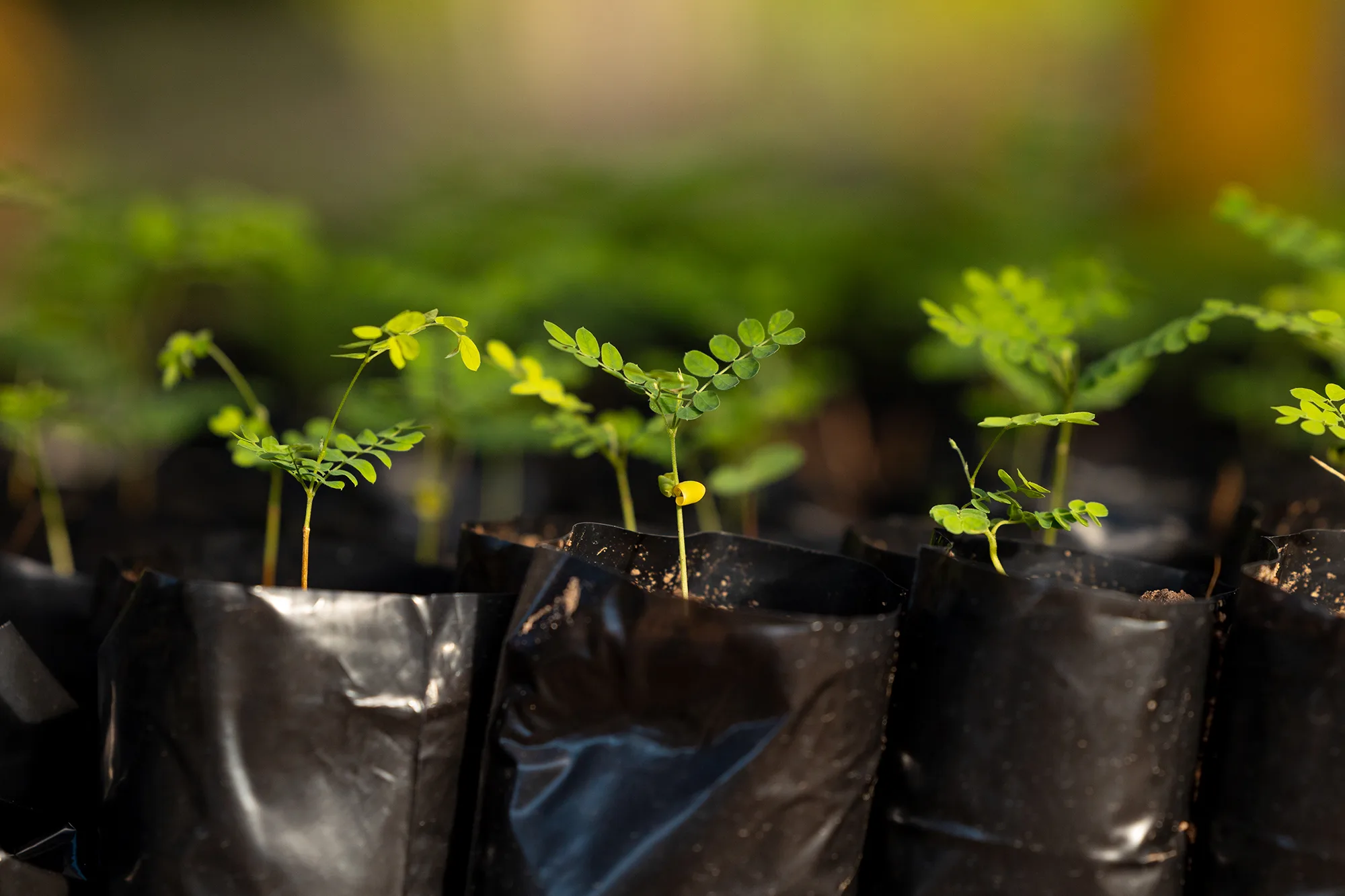
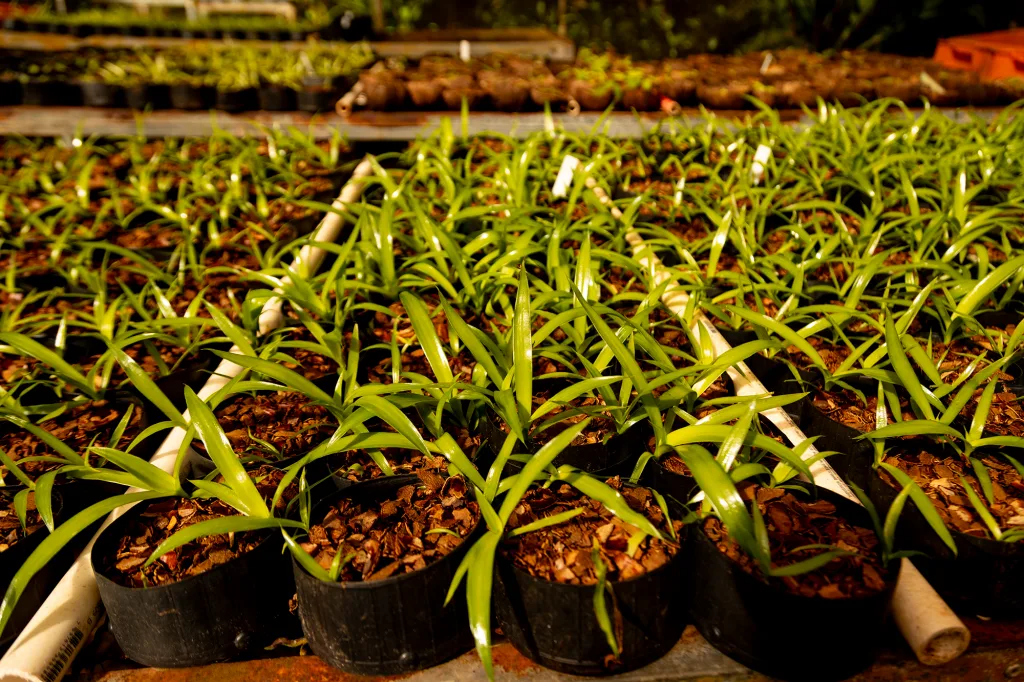
MRN seedling nursery
Seedling nursery
+R$12 million
invested in condition programs in 2025
13
projects make up the Socio-environmental Education Program
2
PES municipalities of operation: Oriximiná and Terra Santa
IN 02/2012
IBAMA Normative Instruction that guides implementation
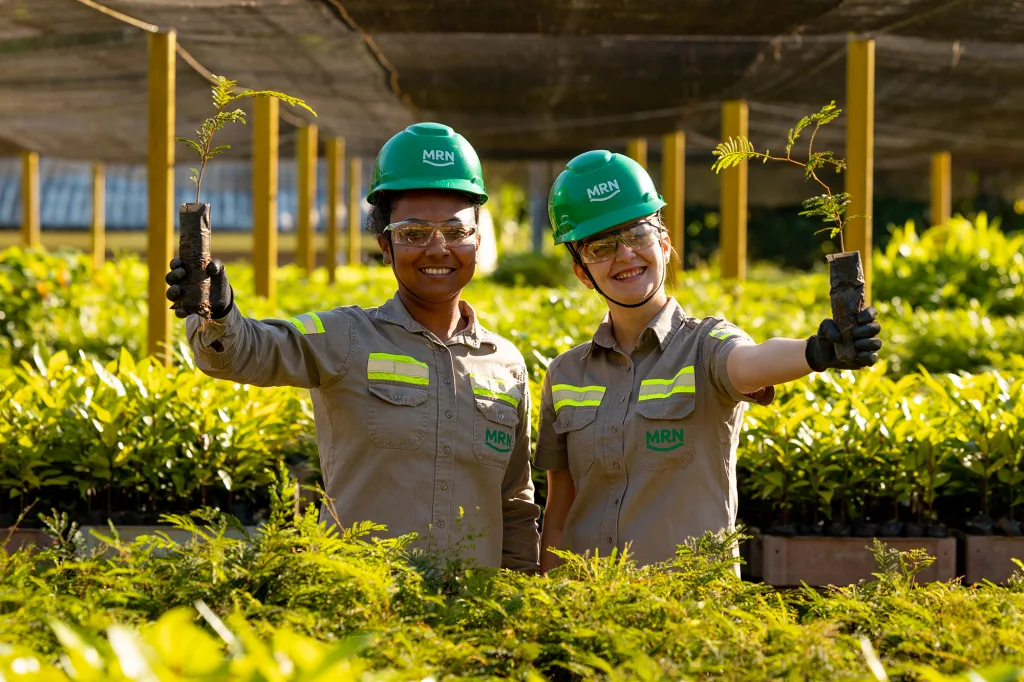
MRN reforestation area

Diagnosis, joint planning, implementation and monitoring by indicators.

Socio-environmental Education Program

The PES

Socio-environmental Education Program (PES)

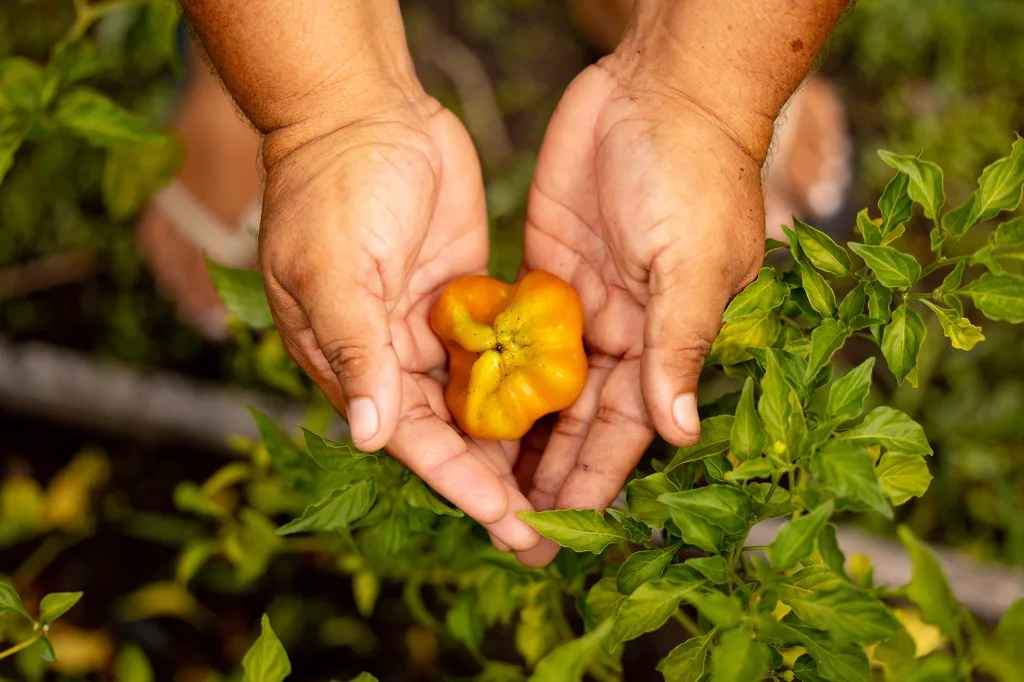
The PES is made up of 13 projects developed in the municipalities of Oriximiná and Terra Santa, in western Pará. The program aims to promote socio-environmental awareness and contribute to improving the quality of life of communities in its area of influence, seeking to build opportunities for income, autonomy, food security and environmental preservation.

  • 13 projects in Oriximiná and Terra Santa
  • Work in riverside, Quilombola, rural and urban communities
  • Ongoing work in the territories provided for in environmental licensing
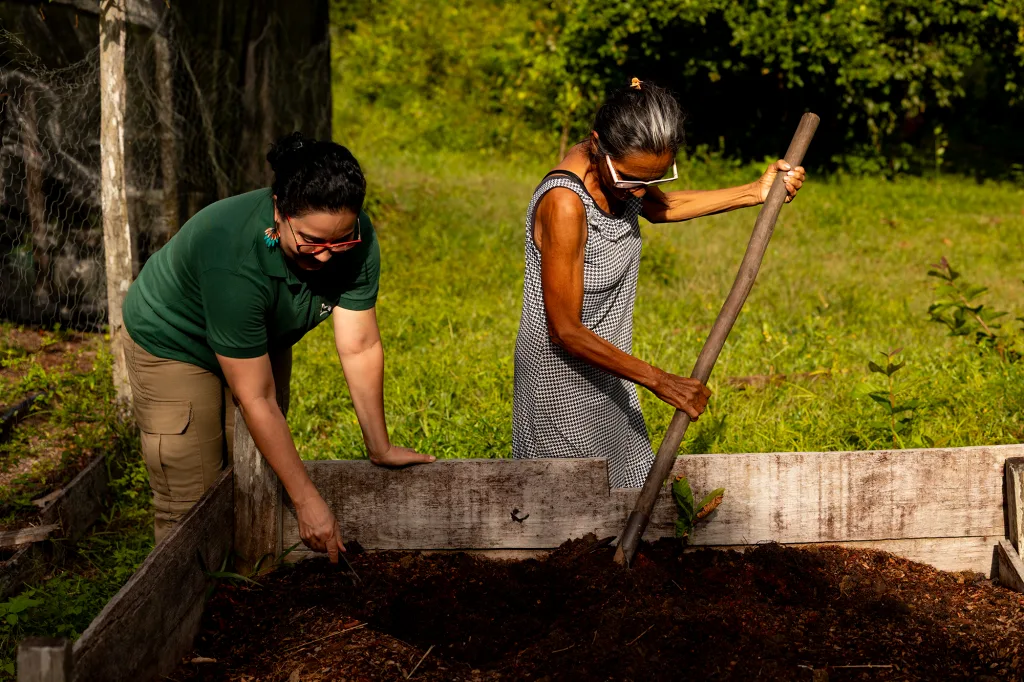
Field actions in the territory

Participatory methodology

PES implementation is based on a participatory methodology involving socio-environmental diagnosis, joint planning with communities, implementation of actions and monitoring by indicators. This process ensures that initiatives align with local demands and that the publics involved remain engaged.

  • Socio-environmental diagnosis
  • Joint planning with the communities
  • Implementation of actions
  • Monitoring by indicators

Fronts of action

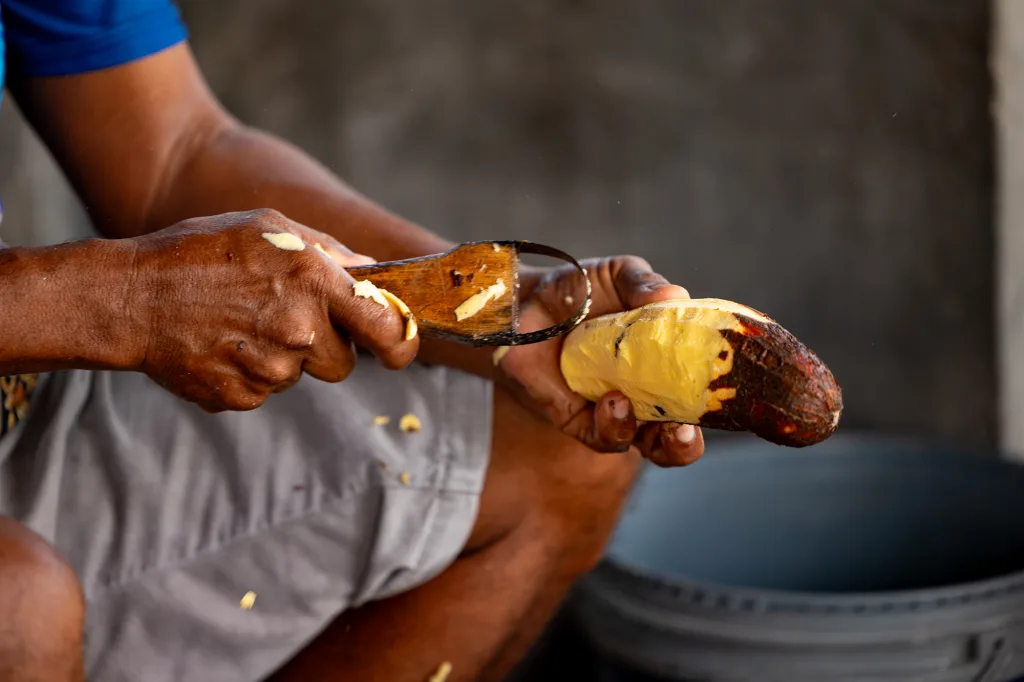
PES actions cover an integrated set of initiatives, including environmental education (workshops, courses and lectures), training and technical assistance for productive activities, health actions (such as appointments, exams and disease prevention), and solutions for access to water. The program also encourages sustainable income generation, valuing the knowledge and traditional practices of the communities.

  • Environmental education: workshops, courses and lectures
  • Training and technical assistance for productive activities
  • Health actions: appointments, exams and disease prevention
  • Solutions for access to water
  • Sustainable income generation and valuing of traditional knowledge
Territory of operations