
The Value of Bauxite
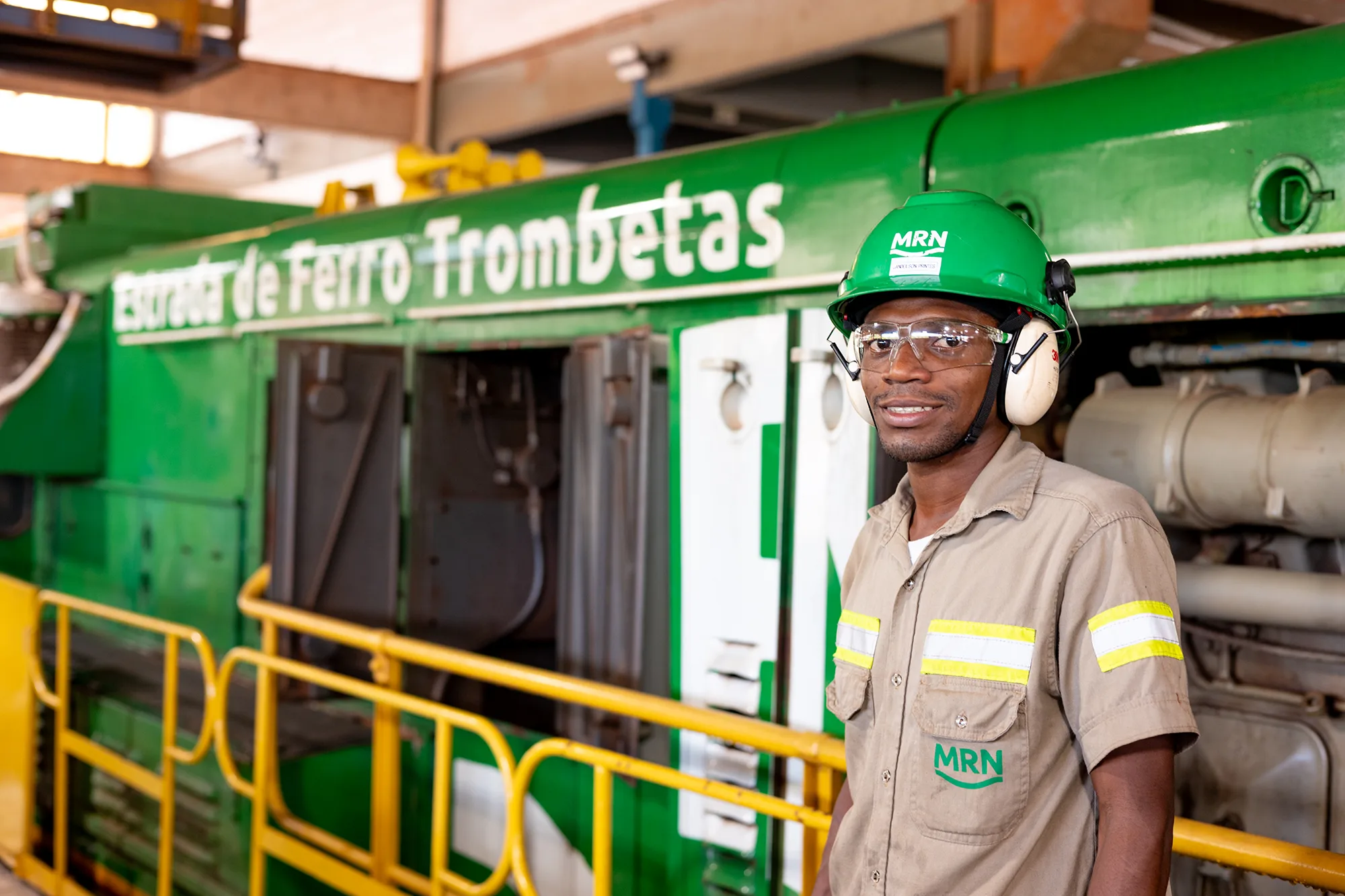
Bauxite is the primary raw material used to produce alumina and aluminum. The bauxite produced by MRN is supplied to customers and shareholders, who process it into materials used across a wide range of industries.
From bauxite to aluminum
Aluminum combines light weight, strength, and recyclability and is widely used in transportation, construction, packaging, equipment, and technologies that support the transition to a low carbon economy.
Bauxite produced by MRN is supplied primarily to its shareholders and customers in the aluminum industry, where it is used as a raw material for alumina refining and, subsequently, primary aluminum production.
Where bauxite is produced
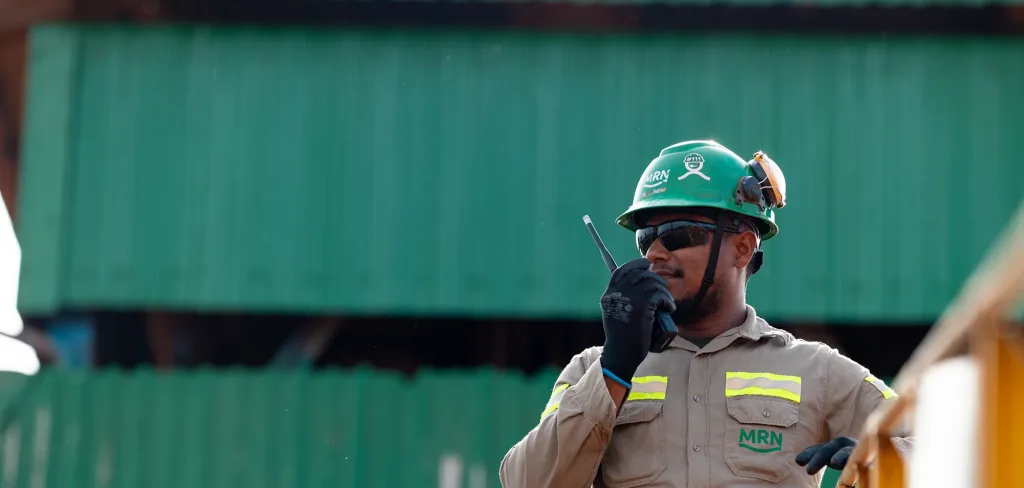
Mining, beneficiation, and tailings management activities take place in western Pará, in the municipalities of Oriximiná and Terra Santa.
The value chain
The value chain begins with mineral exploration and continues through mining, beneficiation, stockpiling, transportation, and port logistics.
How bauxite is extracted at MRN
Forest inventory
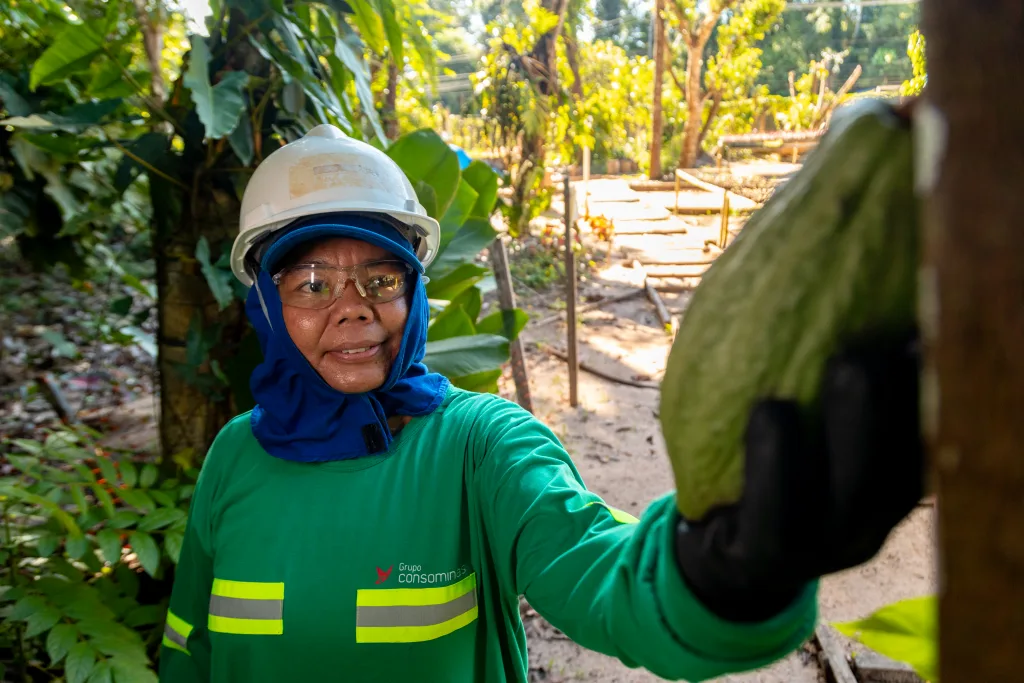
The process begins with a forest inventory, followed by flora and fauna rescue and wildlife relocation activities.
Bauxite mining
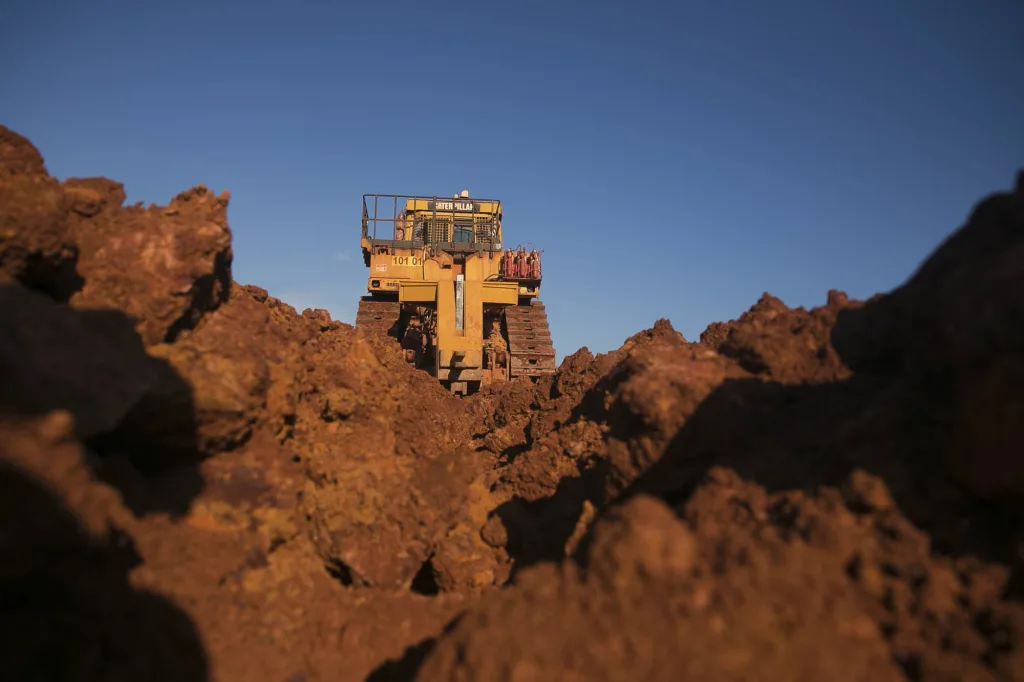
Next, vegetation and topsoil are removed. This soil is reserved for the future rehabilitation of the area. The bauxite excavated at the mine is trucked to crushing.
Beneficiation
During beneficiation, the bauxite is crushed and washed to separate the ore from clay. It is then stockpiled. No chemicals are used in this process.
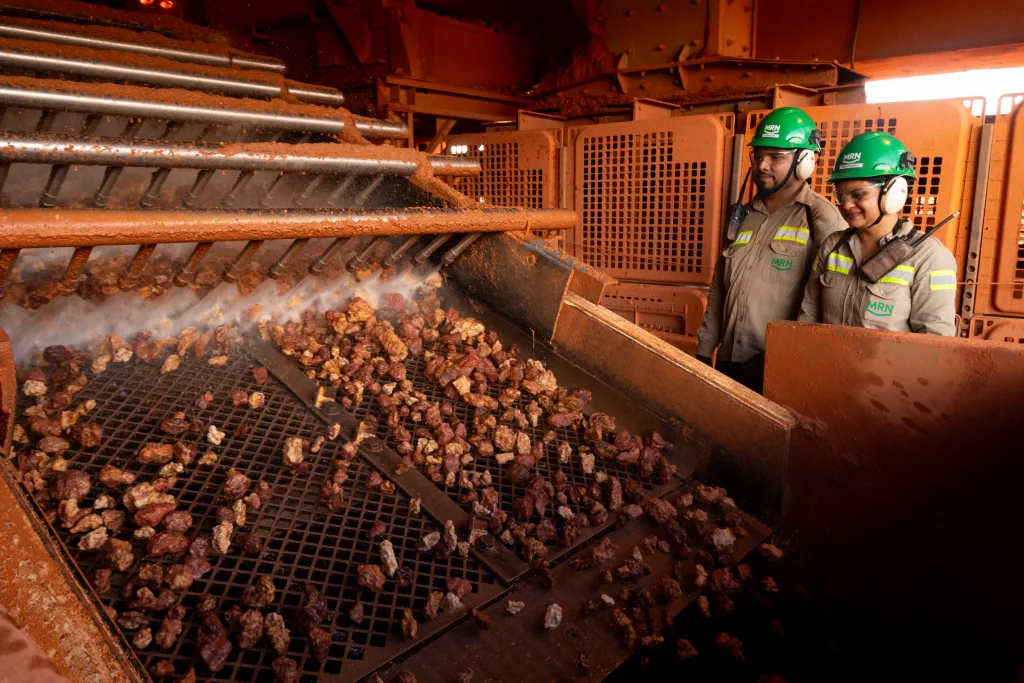
Tailings and ecological restoration
Tailings are the material separated from the bauxite during beneficiation and consist primarily of water, sand, and soil. The material is deposited in tailings reservoirs. At the end of their useful life, these areas are restored using native species. Mined areas also undergo ecological restoration.

Transportation and stockpiling
Beneficiated bauxite is transported by conveyor belt to the train loading area and then by rail to the port. At the port, the bauxite is stockpiled while still wet, and the portion destined for international markets undergoes a drying process. Once loaded onto vessels, the bauxite is shipped to refineries in Brazil and abroad.
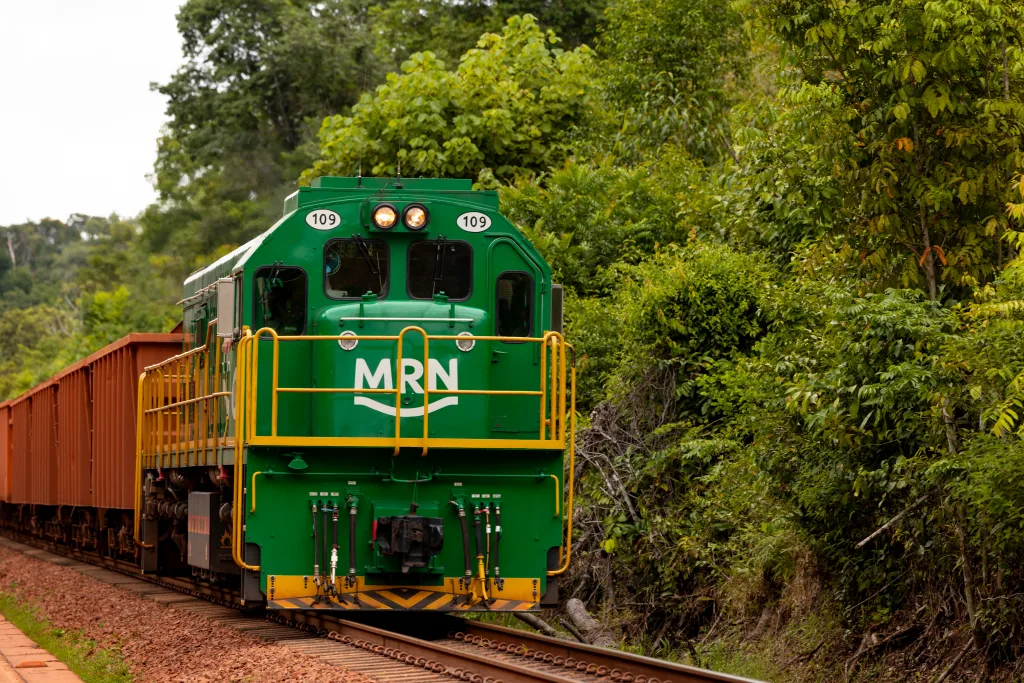
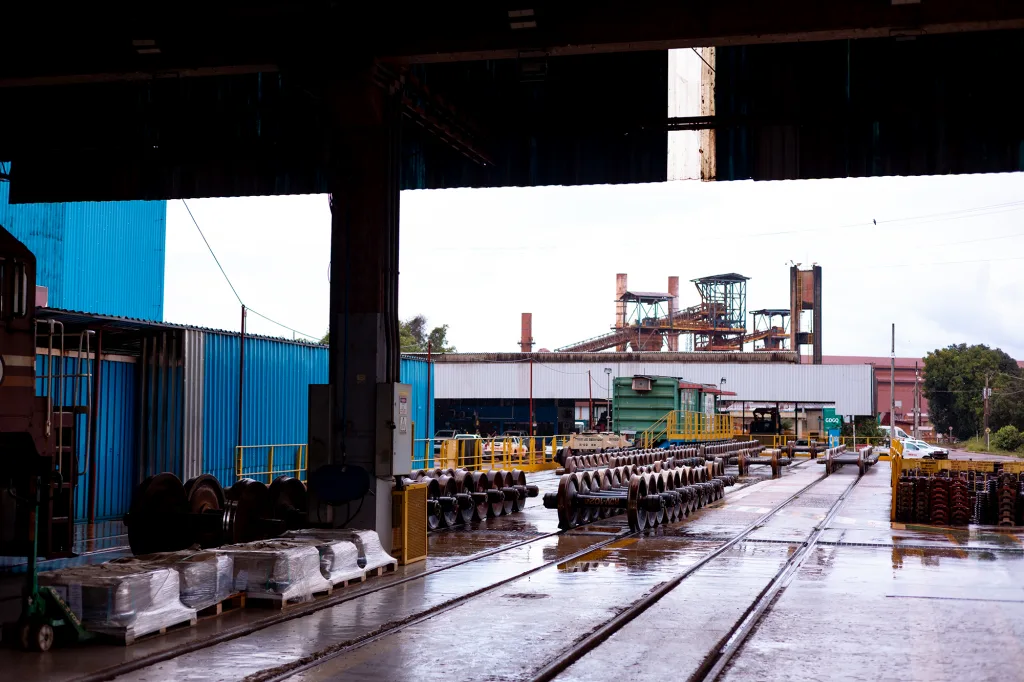
The processed bauxite travels by conveyor belts and trains to the port on the Trombetas River.
From the Trombetas River to the world
In 2025, 12.7 million tonnes of bauxite were shipped, serving demand on three continents. All MRN bauxite shipments to ASI CoC-certified customers are accompanied by the Bauxite Certificate.
What happens to the tailings
Tailings are the material separated from bauxite during beneficiation and consist primarily of water, sand, and soil. The material is deposited in tailings reservoirs. Once the reservoirs reach the end of their useful life, they are decommissioned and restored with native vegetation. Mined areas also undergo ecological restoration.
In 2025, MRN removed more than 2.2 million cubic meters of dry tailings and restored 351 hectares of land.