Communities
Ongoing dialogue, social investment and territorial development with Quilombola, riverside and other communities in MRN's area of influence.
Territorial development and community autonomy
MRN's social responsibility strategy in 2025 remained oriented toward sustainable territorial development, focusing on the continuity of initiatives and on promoting community autonomy. This guideline seeks to align the company's work with local leadership, expanding shared value beyond licensing requirements.
This strategy is supported by governance based on active listening and structured social participation. Participatory Socioeconomic Diagnoses (DSAPs) guide the prioritization of investments and the allocation of resources to initiatives that meet territorial demands.
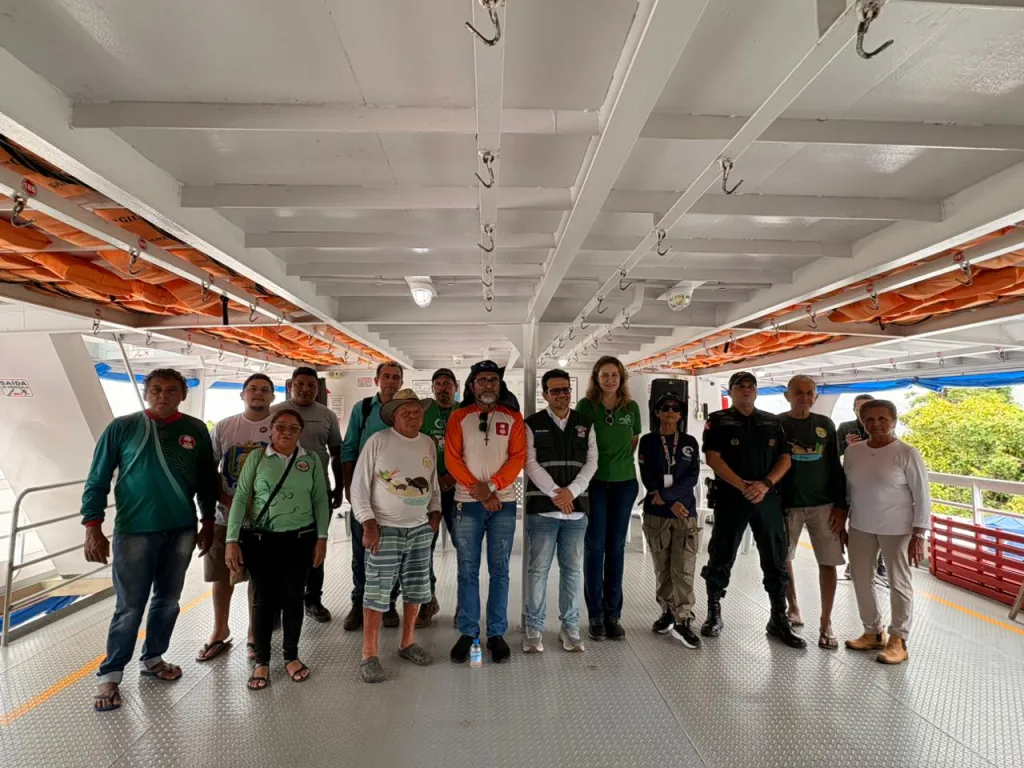
In 2025, MRN held 46 engagement meetings with 43 communities in the areas of influence of its projects — gatherings to hear perceptions, clarify questions and build paths together.
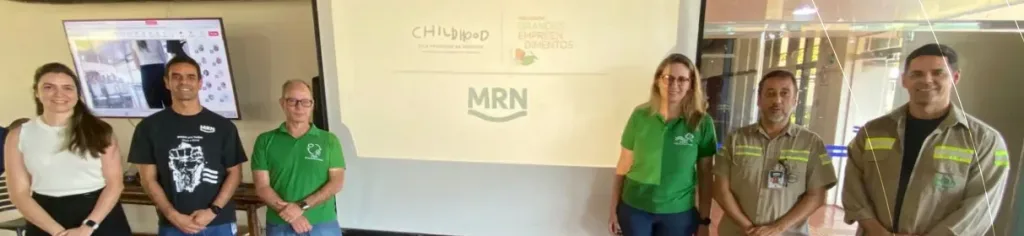
Active listening and structured social participation guide where investments go.
Four pillars structure the work in the territories
Education and Culture
Education as a structuring pillar of development
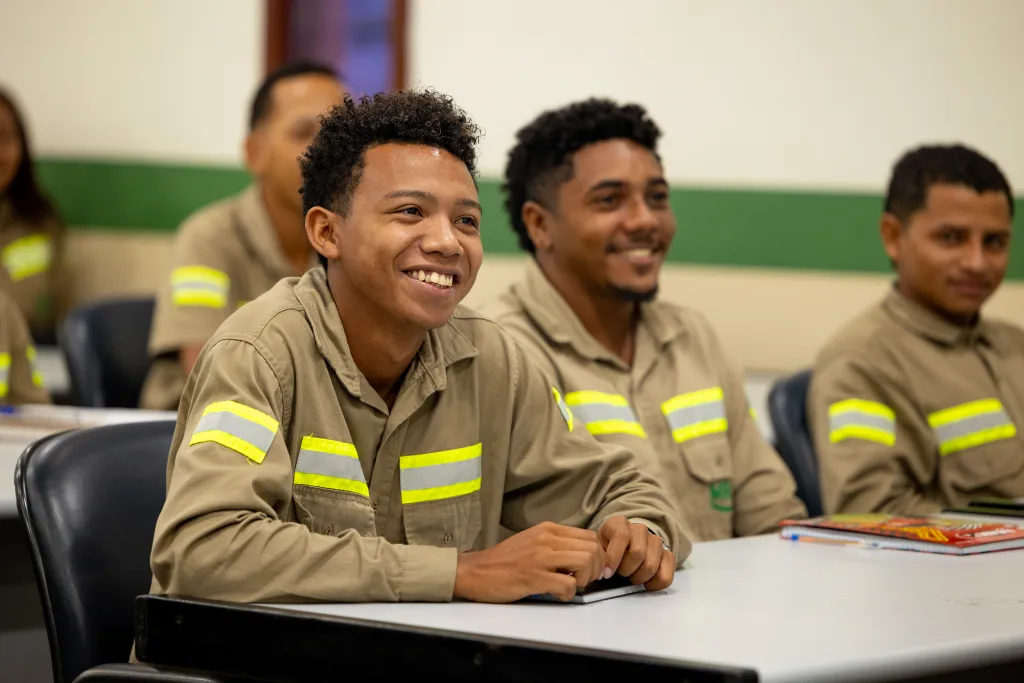
MRN positions education, in both its formal and non-formal dimensions, as a central element of its social work, recognizing knowledge as the basis for more sustainable trajectories and life opportunities. Initiatives include support for educational training, development of technical and professional skills, encouragement of entrepreneurship and dissemination of social technologies, as well as expanded access to digital resources. The company also encourages cultural expressions and religious celebrations, contributing to the preservation of local identity and the strengthening of community ties.
Health
Health promotion as a driver of community well-being
MRN recognizes health as an essential component of quality of life in communities near its operation. In this context, it supports initiatives aimed at disease prevention, ongoing care and expanded access to health services, with attention to Quilombola and riverside populations. Actions include support for care at local units and work in emergency situations, guided by the main health challenges of the territories and conducted with respect for cultural specificities.
Employment and Income Generation
Sustainable economy as a driver of inclusion and prosperity
MRN works to strengthen local economies by supporting productive initiatives aligned with environmental conservation and the valuing of traditional knowledge. To that end, it develops projects that combine technical training, entrepreneurial education and support for productive and commercial structuring. Actions prioritize chains such as food production and handicrafts, contributing to income generation, greater economic autonomy and regional socioeconomic dynamism.
Institutional Strengthening
Community autonomy through the valuing of local organizations
Institutional strengthening is a strategic pillar of MRN's social work, aimed at the development of community associations and representative organizations. The company supports the improvement of management practices, encourages collective participation and contributes to strengthening local governance structures, promoting greater organization and capacity for communities to advocate for themselves.
Beyond mining
MRN's territorial development strategy in 2025 consolidated a model oriented toward economic transition and strengthening resilience in western Pará. The approach prioritizes reducing dependence on mineral activity by strengthening alternative production chains such as agriculture, forest management, fishing, community tourism and handicrafts, supporting initiatives from production through to commercialization.
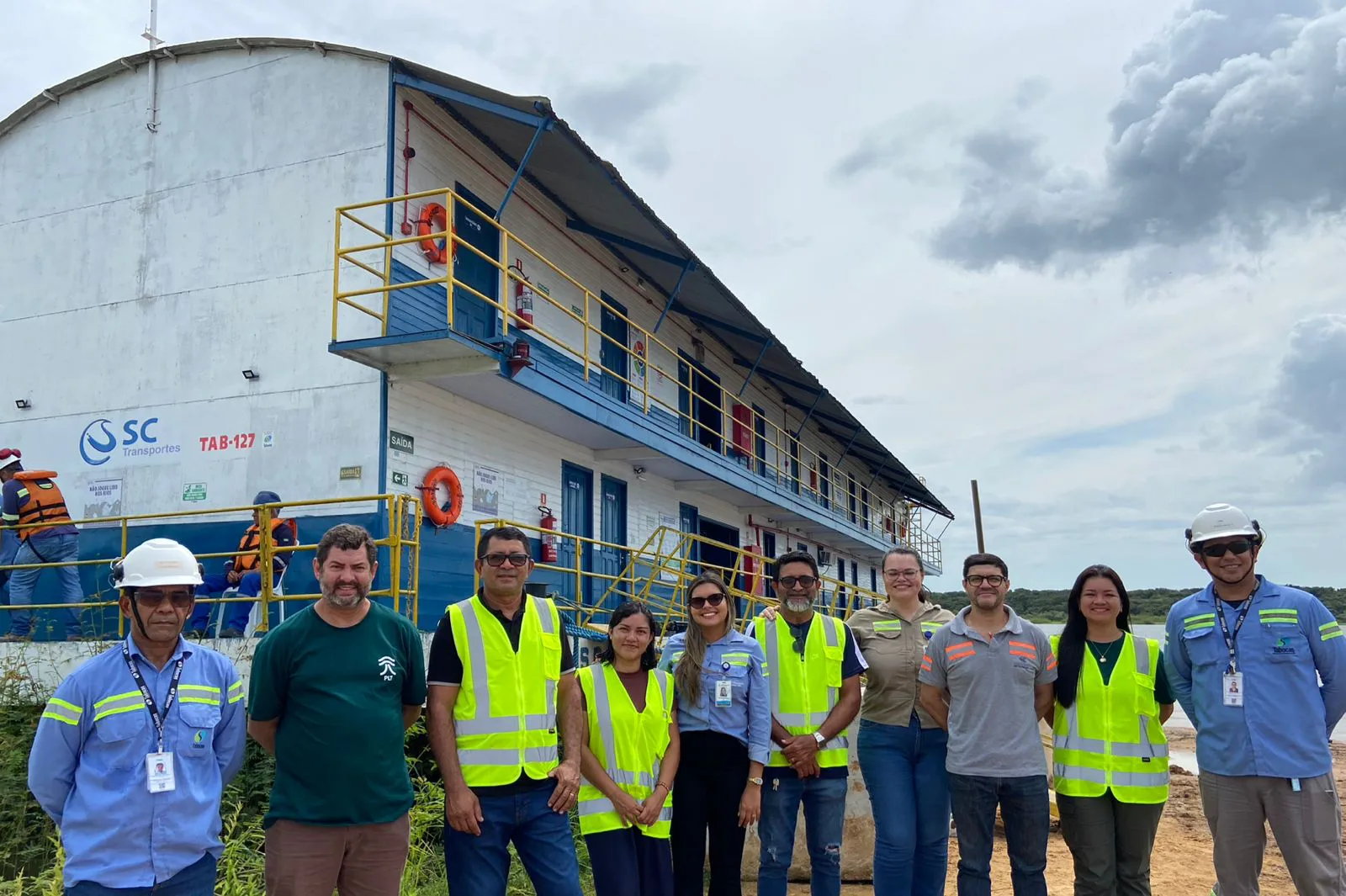
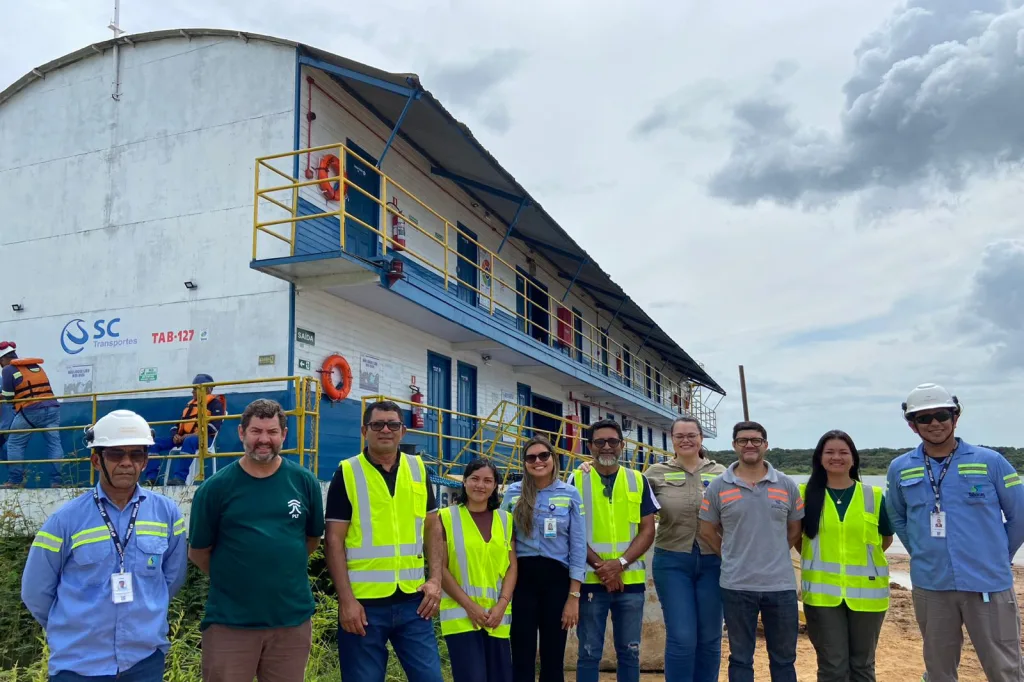
The strategy also includes stimulus for the bioeconomy, encouraging the sustainable use of local biodiversity. In infrastructure, in 2025 MRN made investments directed at Quilombola, riverside and other communities in its area of influence, including improvements to water supply systems, local infrastructure upgrades and the installation of eco water treatment stations (eco-ETAs) in the Boa Vista community.