Skip to content
MRN - Mineração Rio do Norte
Operational Safety

Tailings Dams and Reservoirs

Safety, continuous monitoring, transparency and alignment with the highest international management standards.

Overview

Safety, monitoring and tailings management

MRN operates 32 structures, comprising 30 tailings reservoirs across the Saracá East and Saracá West plateaus and two sediment dams in the port area.

All structures are monitored continuously, 24 hours a day, seven days a week, using geotechnical instrumentation, regular inspections, and independent assessments.

Continuous monitoring Regular inspections External audits GISTM Standard
30 Reservoirs Saracá Plateau
2 Sediment dams Port area
100% monitored
24h Continuous monitoring
Dam and Reservoir Management

Dam and tailings reservoir management

Dam Management
Objectives
Prevent accidents and emergency situations
Protect people and the environment
Maintain the safety and stability of the structures
Manage and reduce risks
Comply with applicable standards and requirements
Strengthen prevention and transparency
Management Structure
Key components
Projects and construction
Monitoring
Maintenance
Safety
Environment
Communication
Legislation and regulation
Operations
Practices in place
Periodic risk assessment
Regular inspections
Stability analysis
Continuous monitoring
Closing plan
Team training
Independent audits
Infographic

Where our structures are

Saracá Plateau 30 tailings
  • 30 tailings reservoirs
  • Saracá East: 23 structures
  • Saracá West: 7 structures
  • Approximately 26 km from the Porto Trombetas village
Port 2 sediment dams
  • A1 Dam
  • Água Fria Dam

Used to collect and clarify stormwater runoff from the ship loading yard.
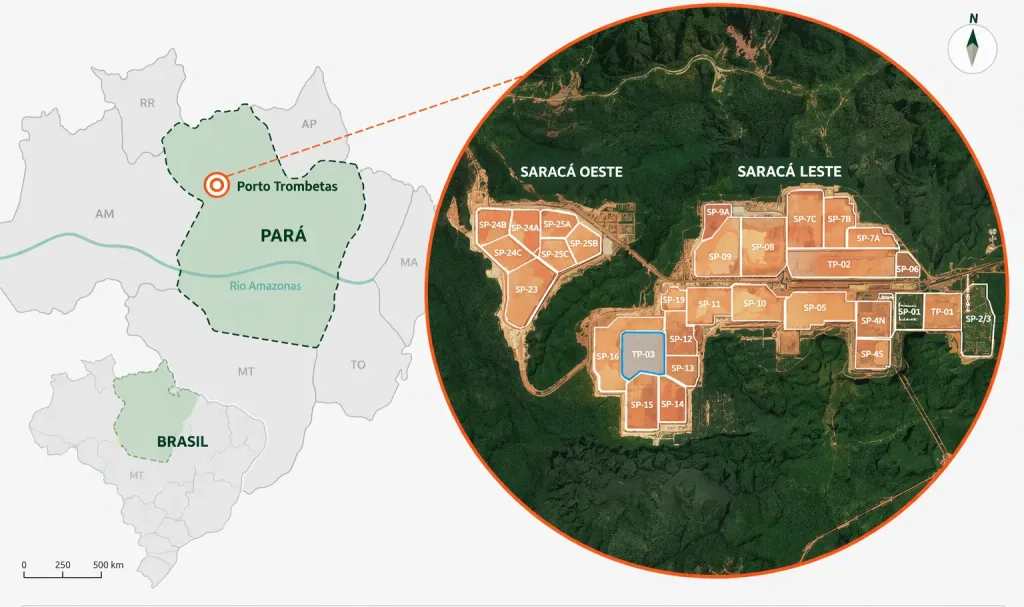
Porto Trombetas · Oriximiná, Pará
01°33′S 56°22′W — Amazon region
Brazil — Location of the Structures
Map of Brazil — Porto Trombetas, Pará
Porto Trombetas
State of Pará
Amazon River
Understand

What you need to know

How they are built
Compacted landfill, internal drainage and geotechnical control adapted to the soil and climate of the Amazon.
What is MRN reject
Material resulting from the processing of bauxite — mainly clay and sand — stored in a controlled manner.
Adaptation to the Amazon climate
Structures designed for the intense rains of the Amazon, with overflow capacity and high-performance water management.
Dams vs. Reservoirs
Dams contain rainwater from the Port; reservoirs store mining waste on the Saracá Plateau.
After closing
At the end of its useful life, each reservoir undergoes closure and environmental recovery with reintegration into the natural landscape.
Technical Diagram
Schematic cross-section of a reservoir
Water / Liquid tailings Deposited solid tailings Natural foundation Dike Dike Piezometer Gauge Drain
Water area
Tailings
Dike
Instrumentation
Process

Monitoring and Management

A six-stage structured process that ensures the continuous safety of every containment structure.

Real-time monitoring
Sensors and instruments record data 24/7.
Geotechnical instrumentation
Precision equipment for analyzing structures.
Hydrological control
Water management and reservoir levels.
Periodic inspections
Inspections by specialized technical teams.
Independent audits
External checks by certified bodies.
Risk and emergency management
Risk prevention, PAEBM, emergency drills, warning systems, and emergency response protocols.
Indicators

Transparency and performance

of water recirculated at the beneficiation plant in 202
of dry tailings reused in mined out pits in 2025
structures monitored
GISTM implementation completed in 2025
GISTM

Tailings management aligned with the highest international standards

The Global Industry Standard on Tailings Management (GISTM) is the most rigorous international standard for mining tailings management. MRN adopts its requirements as a commitment to the safety of communities, the environment and operational integrity.

Access Requirements 15.1 here
Governance
Responsibility and accountability at all levels.
Risk Management
Identification and mitigation throughout the life cycle.
Transparency
Active dissemination of information to interested parties.
Social Engagement
Dialogue with communities and affected population.
Continuous Monitoring
Permanent surveillance of all structures.
PAEBM

Emergency Action Plan for Mining Dams

Official documents available for public consultation.

Purpose of the Plan
Procedures for rapid and coordinated response in emergency situations, protecting lives, the environment and communities.
Prevention
Preventive actions and early warning criteria based on data from continuous monitoring of structures.
Community preparation
Periodic simulations with the participation of local communities, Civil Defense and competent bodies.
Emergency protocols
In the event of an alert, communication, evacuation and authority notification protocols are activated immediately.

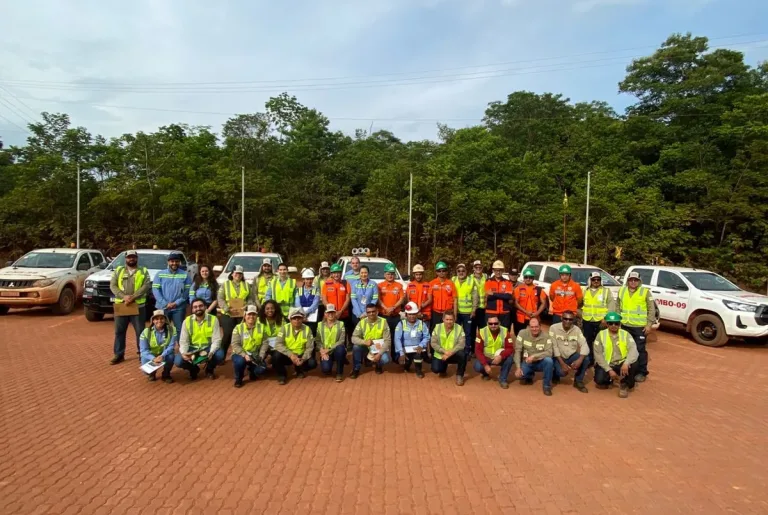
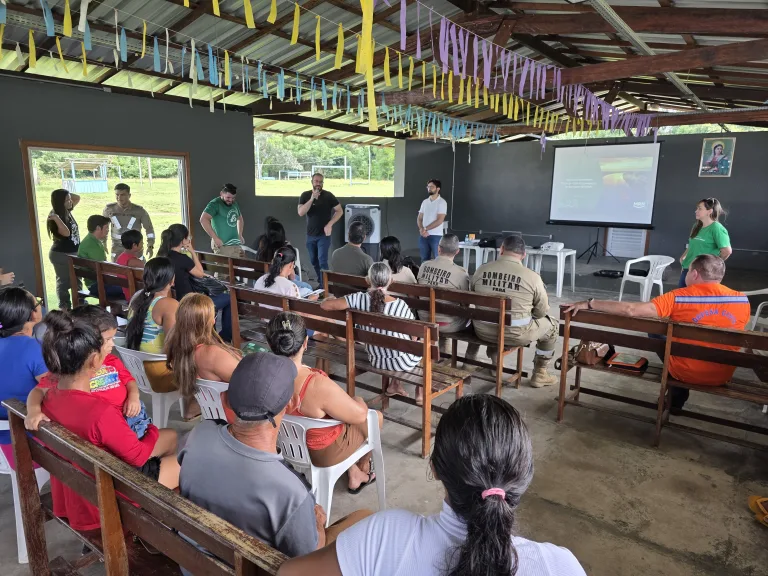
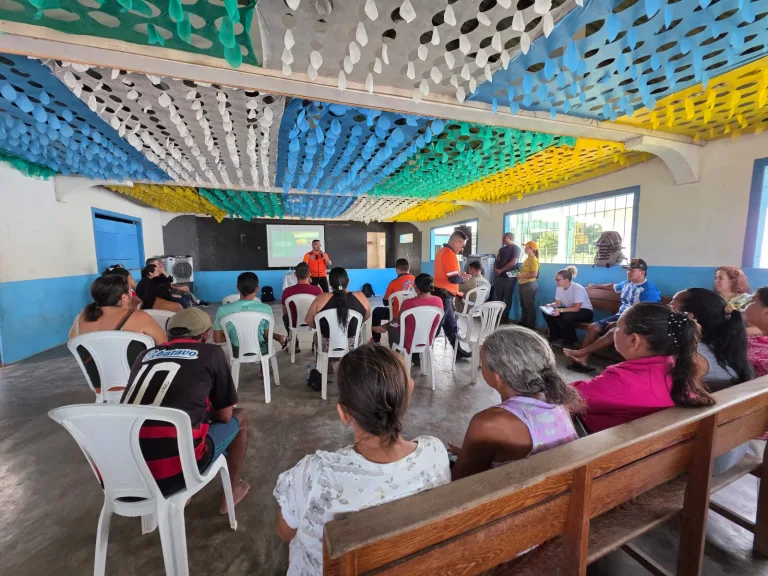
Corporate gallery

Preparation for simulation
Orientation seminar
Orientation seminar
Participation of Civil Defense

Downloads

Saracá East PAEBM
Emergency Action Plan - 23 structures
Download document
Saracá West PAEBM
Emergency Action Plan - 7 structures
Download document
Port area PAEBM
Emergency Action Plan - A1 and Água Fria Dams
Download document
Frequently Asked Questions

Questions about our structures

What is a tailings reservoir?

A tailings pond is a containment structure designed to store discarded material after ore processing. In the case of MRN, the tailings from bauxite mining are safely stored in the Saracá Plateau reservoirs, under strict geotechnical and hydrological monitoring.

How does monitoring work?

Monitoring is carried out continuously, 24 hours a day, 7 days a week. It uses geotechnical instrumentation installed in structures, automated readings, periodic inspections by technical teams and independent audits carried out by certified external experts.

What is PAEBM?

The Emergency Action Plan for Mining Dams (PAEBM) is a mandatory document that establishes the procedures and responsibilities to be followed in emergency situations. MRN makes its PAEBMs available for public consultation as part of its commitment to transparency.

What is GISTM?

The Global Industry Standard on Tailings Management (GISTM) is the most comprehensive international standard for mining tailings management, developed by ICMM, PRI and UNEP. MRN adopts its requirements voluntarily, reinforcing its commitment to the safety of people, communities and the environment.

How is the community informed?

MRN maintains permanent communication channels with surrounding communities, including periodic meetings, public availability of PAEBMs, Compliance channel and direct communication in case of any change in monitoring.

Transparency and ongoing dialogue

MRN maintains permanent channels for clarification, relationship building and communication with communities and stakeholders.