
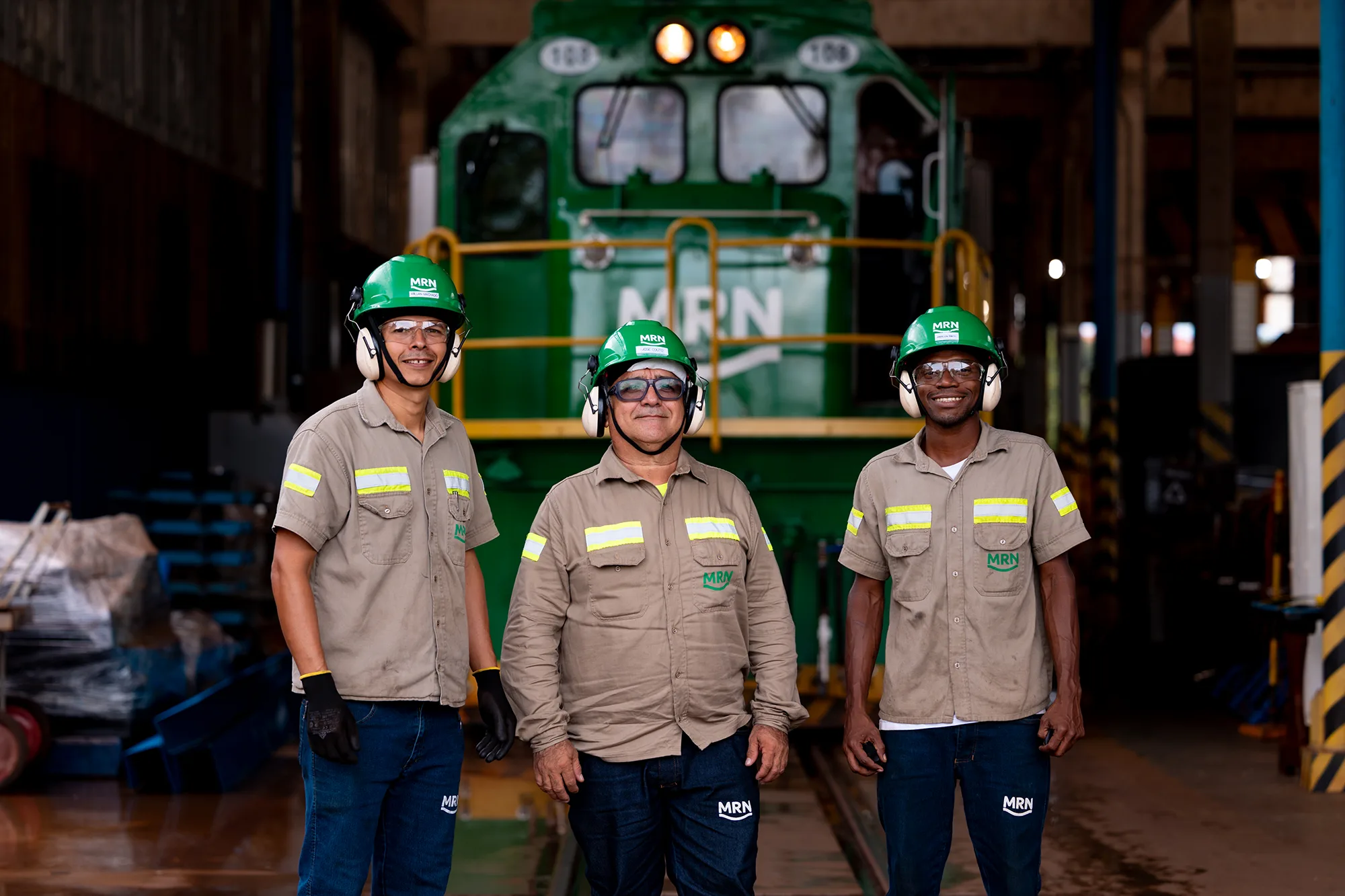
Safe Operation
At MRN, safety is a core operating principle. Our approach combines risk identification, training, operational controls, technology, and active workforce participation.
Safety at every stage of our operations
Monitoring of working conditions includes field inspections and technical analyses that guide the adoption of preventive measures. Safety performance is tracked through indicators, regular meetings and structured action plans, allowing deviations to be addressed and processes to be continuously improved.
In 2025, MRN continued its initiatives to strengthen the safety culture, with awareness campaigns, technical training, emergency drills and actions to encourage near-miss reporting, involving its own employees, contractors and communities.
The Integrated Management System sets guidelines and controls aimed at preventing occupational risks and promoting the health of its own and third-party employees, in line with ISO 45001 and the requirements of the Aluminium Stewardship Initiative (ASI).
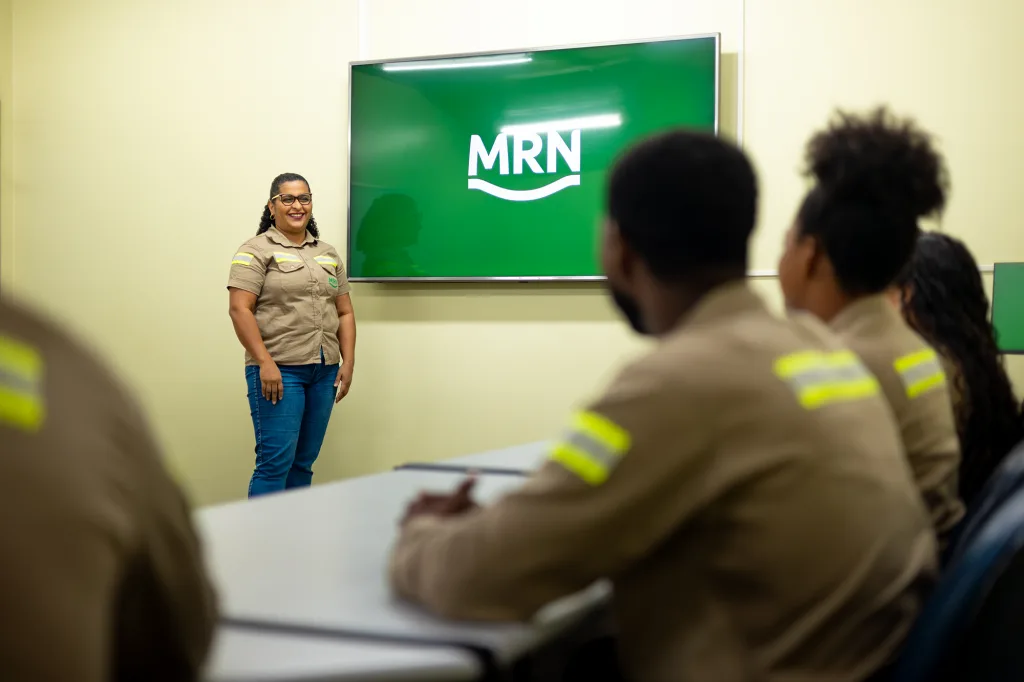
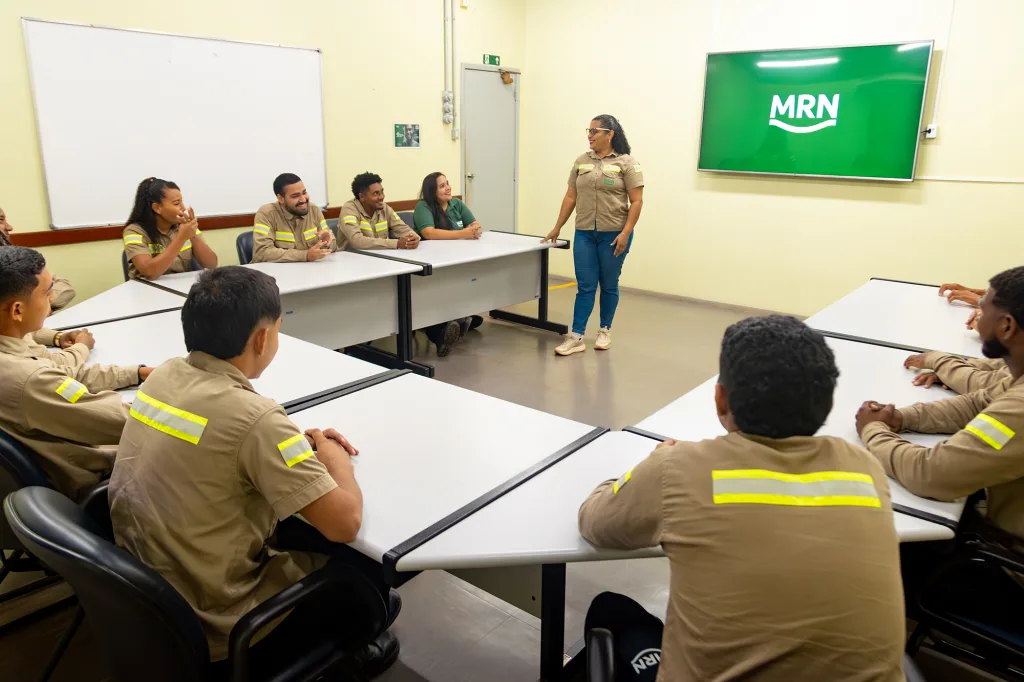
Emergency drills and technical training involve MRN employees, contractors, and local communities.
The year in numbers
MRN recorded 13.8 million hours worked in 2025, with a recordable incident rate of 0.72 per million hours worked and zero fatalities.
Breakdown of hours worked in 2025
Safety tools
Task Risk Assessment (ART)
A mandatory step before work begins, helping standardize procedures and reduce exposure to operational risks.
Work Permit
Required before critical and high risk activities can begin, ensuring that hazards have been assessed and appropriate controls are in place.
Daily Safety Dialogue (DDS)
An ongoing forum for dialogue and learning that encourages workers to actively identify risks, share experiences, and suggest improvements.
Near-miss reporting
Structured processes are used to report and address nonconformities, near misses, and unsafe conditions. These records support root cause analysis and the development of corrective and preventive actions.
Training and training centers
Training covers safe driving, accident prevention, personal protective equipment, risk identification, and work permit procedures. Programs are tailored to the risks associated with specific operational and maintenance activities.
Safety committees
MRN’s safety governance includes the Internal Commission for Accident Prevention in Mining (CIPAMIN), the Contractor Safety Commission (COMSECON), and a Central Committee comprising executive directors and general managers, supported by Area Committees. Together, these groups promote alignment and systematic oversight of safety practices across the organization.
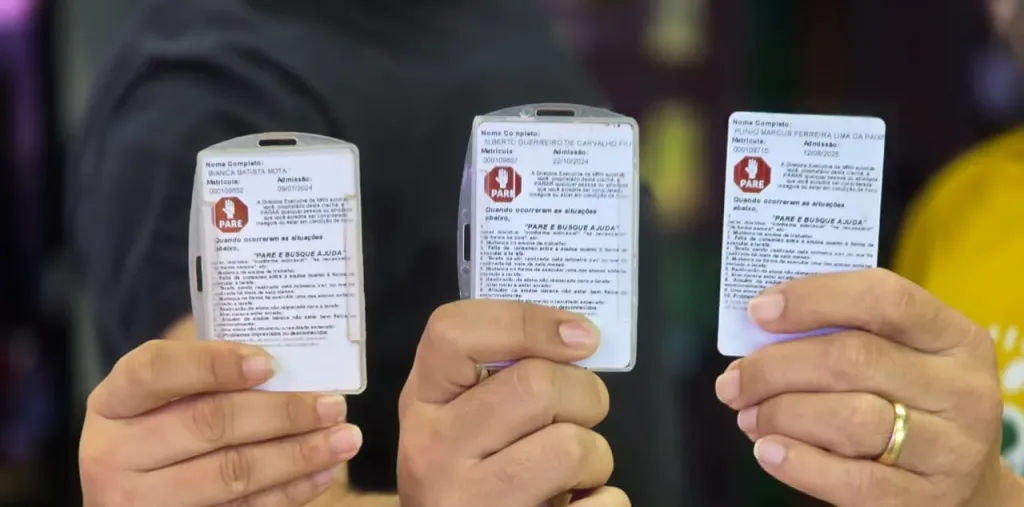
The autonomy to stop an unsafe activity is part of the program.
Stop Card
MRN guarantees the right to refuse activities considered unsafe, operationalized through the "Stop Card".
Fatigue Management Program
MRN maintains a structured fatigue management program for its mining operations fleet, focused on protecting workers’ health and supporting safe, reliable operations.
The program includes preventive measures such as systematic attention testing, dedicated spaces for stimulation and recovery, and nutritional guidance. It also empowers workers to stop work whenever they identify conditions that could affect their ability to perform safely.
In 2025
Standardizing processes to reduce risk
Operational efficiency is closely linked to process standardization, control of critical variables, and reduced variability, all of which contribute to risk mitigation.
Integration through the Integrated Operations Center (COI) enhances real time monitoring and the ability to respond to potential deviations. The use of simulators and technical knowledge management further strengthens standardized practices and safe work execution, supporting greater operational reliability.