MRN renews ASI certifications attesting to responsible practices in bauxite production in the Amazon
Independent audit assessed compliance with the ASI standard, including environmental, social, governance and chain of custody traceability requirements
Mineração Rio do Norte (MRN), Brazil's leading bauxite producer, has renewed its ASI Performance and ASI Chain of Custody (CoC) international certifications, granted by the Aluminium Stewardship Initiative (ASI), the global benchmark for sustainability in the aluminum value chain. The recertification confirms that the company's operation in western Pará remains compliant with international environmental, social and governance performance criteria, and ensures bauxite traceability under the ASI CoC standard, guaranteeing the integrity and transparency of information throughout the entire production chain.
The recognition was obtained after an independent third-party audit carried out in June by Bureau Veritas Certification (BVC), an ASI-accredited certification body, which assessed aspects such as environmental management, corporate governance, relationships with riverside and quilombola communities, programs to restore mined areas, risk management and production traceability mechanisms. The “MRN pra Todos” program, focused on stakeholder relations, and the Human Rights Due Diligence also contributed to the result.
For MRN CEO Guido Germani, renewing the certifications reinforces the company's commitment to responsible mining in an environmentally strategic region. “Operating in the Amazon requires constant responsibility. This certification shows that we seek to continuously improve our processes and keep our operations aligned with the main international sustainability standards,” says Germani.
International recognition
Aluminium Stewardship Initiative (ASI) certifications are recognized worldwide and assess companies in the aluminum value chain based on criteria related to environmental protection, human rights, community relations, governance, ethics, health and safety, and the traceability of the materials produced.
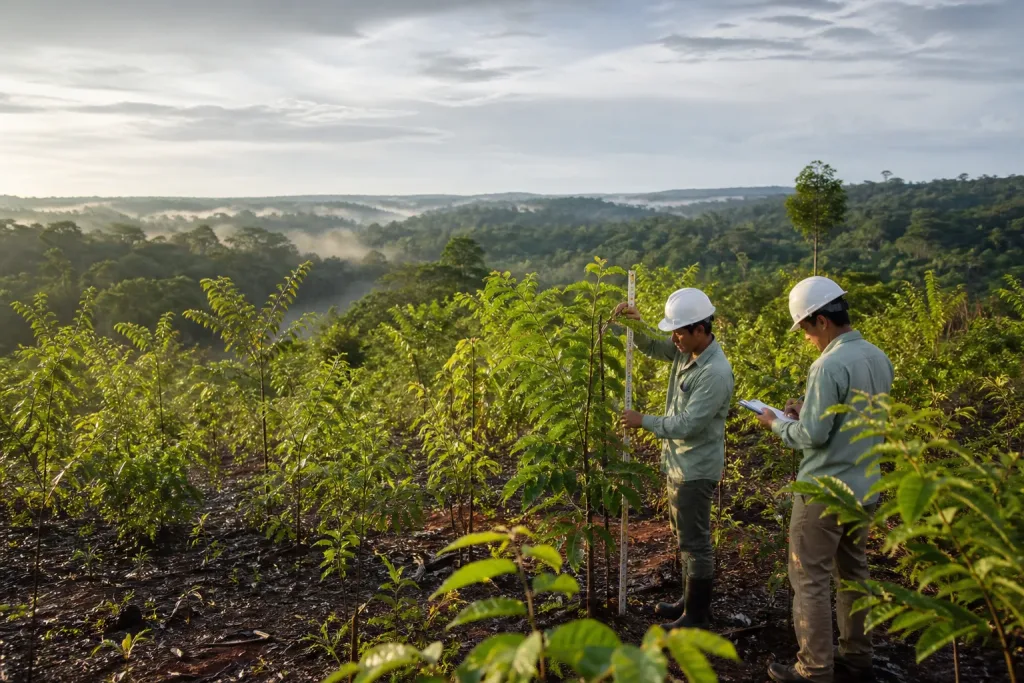
Key aspects considered by the audit include: ongoing dialogue with neighboring communities, strengthening relationships of trust and active listening; investment in reforestation programs and restoration of mined areas; governance, risk management and integrity systems aligned with international best practices; and traceability of bauxite from extraction to shipment.