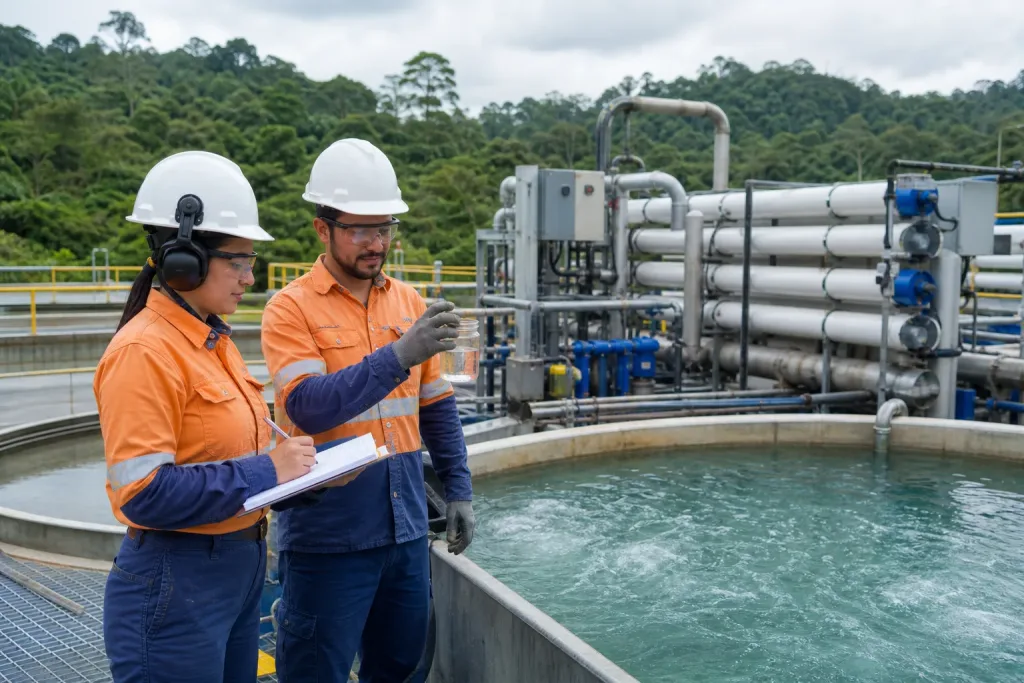
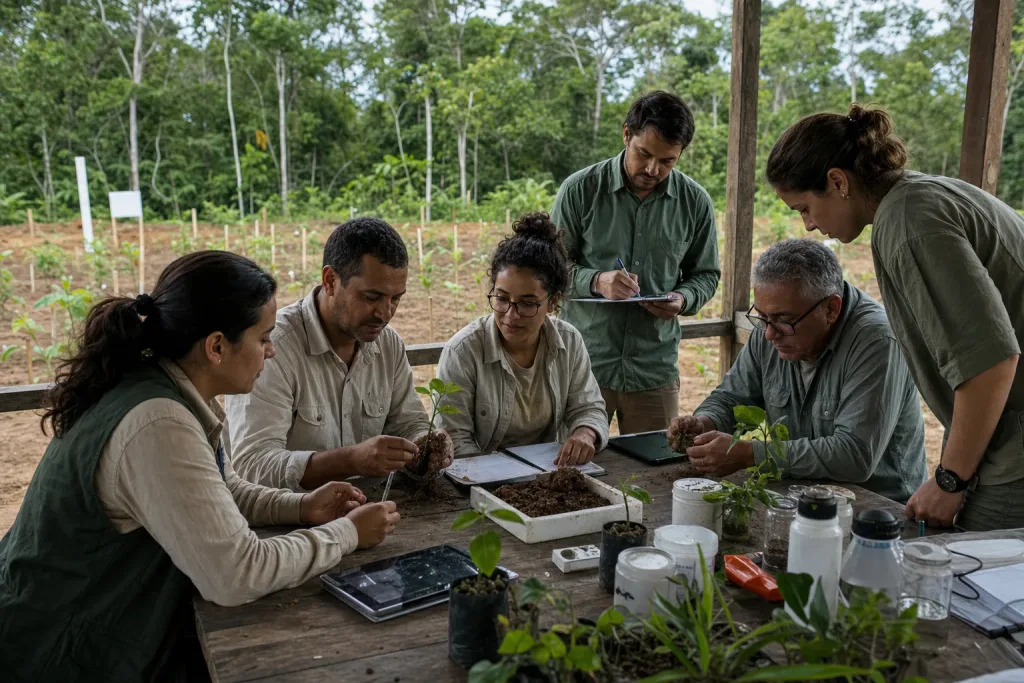
Sensors, radars, artificial intelligence and systems capable of gathering data in real time are changing the way dams are monitored in the mining sector. At Mineração Rio do Norte (MRN), in Porto Trombetas, western Pará, these technologies are used to track the behavior of geotechnical structures and speed up analysis.
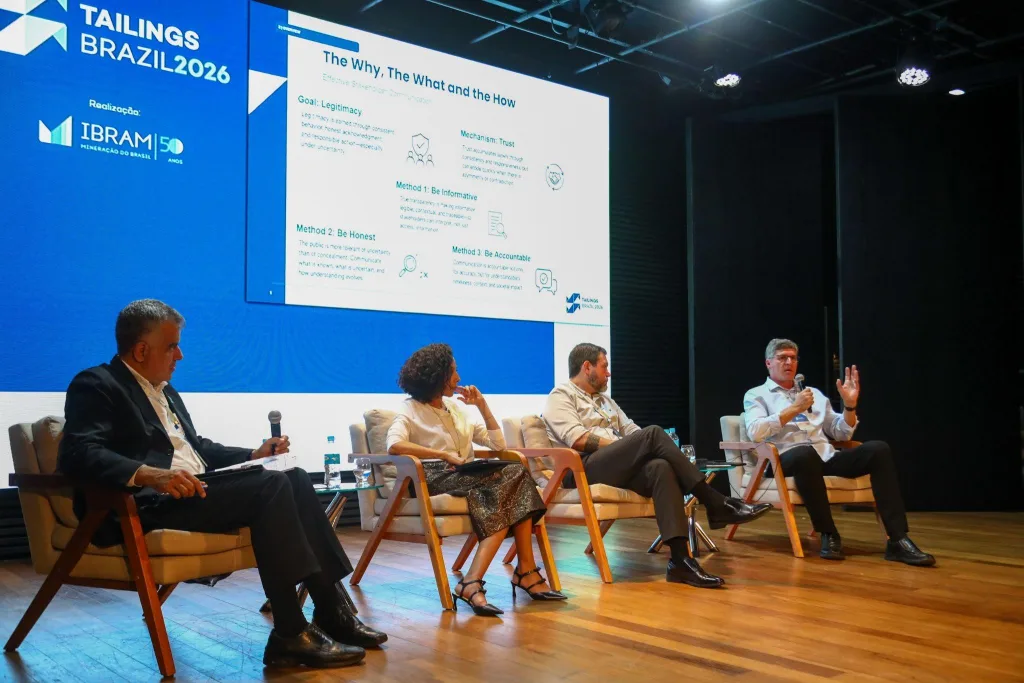
In July, these advances and challenges were discussed at the Integrated Dam Instrumentation Workshop, which brought together experts, suppliers and professionals from the areas responsible for the implementation, maintenance, operation and inspection of the structures.
The program covered technologies such as microseismic monitoring, electrical and electromagnetic methods, ground-penetrating radar and remote sensing. Applications of artificial intelligence for analyzing information and identifying patterns that can support preventive risk management were also discussed. “The workshop is part of an ongoing improvement effort. It is also an important moment of integration, allowing us to better understand processes and contribute to the evolution of the technologies used in dam monitoring,” says Thiago Oliveira, MRN's general manager of Geotechnics.
The large volume of data generated by sensors and equipment is one of the challenges of geotechnical monitoring. Integrated platforms bring this information together in one environment, automate steps and speed up the identification of changes and trends. “Centralizing data makes organizing, processing and analyzing it faster and more efficient,” explains Filipe Costa, geotechnical engineer at Intelltech. MRN uses the SQMS and GeoInspector systems, developed by Intelltech, to centralize data and support the technical analysis of its structures.
Integrated work improves monitoring
The workshop also highlighted the importance of exchanging information among the professionals involved in the different stages of geotechnical structure management. “The opportunities provided by a meeting like this are very relevant, especially because they bring together the teams responsible for implementing, intervening in and operating the structures. This exchange strengthens the work and contributes to the evolution of practices,” said Raimundo Lauro, technical manager responsible for inspections of the dams in MRN's water system.
From knowledge sharing to integrated operation at the COI, through the Geotechnical Monitoring Center
The integration discussed at the workshop is already part of MRN's operational routine through the Integrated Operations Center (COI). In operation since 2024, the center connects data from different areas of the company, reduces information fragmentation and increases the capacity to respond to operational variations. In a single environment, the COI tracks production, logistics, environmental and operational indicators in real time.
The system works as the central point of a chain that simultaneously involves equipment, logistics flows, ore quality and environmental conditions, enabling continuous adjustments and greater control of the operation. In the geotechnical area, the COI houses the Geotechnical Monitoring Center (CMG), which gathers data from 1,521 instruments installed on 32 structures, operating 24 hours a day, 7 days a week, helping identify deviations and trends and reducing the response time of the teams.